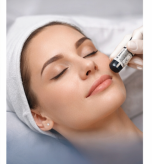
An alcohol‑based cleansing gel. A paper drape. Supplemental oxygen via nasal cannula. A laser firing at 10,600 nm (CO₂). These four items together form the perfect fire triad: fuel (alcohol, paper), oxidizer (oxygen), and ignition source (laser).
Operating room fires are rare – approximately 1 in 50,000 to 1 in 200,000 procedures – but when they happen, they are catastrophic. A 2022 review found that laser‑induced fires in outpatient aesthetic clinics are underreported, and the majority result in facial burns or airway injuries.
This post is not meant to scare you. It is meant to prepare you. You will leave with a printable fire safety checklist you can tape to your treatment room wall.
The Fire Triangle – Revisited for Aestheticians
Every fire needs three elements. Remove one, and the fire cannot start.
| Element | In a salon context | How to eliminate |
|---|---|---|
| Fuel | Alcohol wipes, paper drapes, hairspray, dry hair, gauze, gowns | Use non‑alcohol preparations; keep paper away from beam path; wet drapes |
| Oxidizer | Supplemental oxygen (nasal cannula or face mask), nitrous oxide | Turn off O₂ during laser/RF procedures or maintain >1 meter distance |
| Ignition | Laser beam, RF spark, electrosurgical unit | Use standby mode when not treating; aim away from flammable materials |
Critical point: Oxygen does not burn by itself, but it makes other materials burn hotter, faster, and with lower ignition energy. A spark that would normally cause a small char can become a roaring fire in an oxygen‑enriched environment.
Real‑Life Scenario (Anonymized, but documented)
A patient receiving laser hair removal on the upper lip was given a nasal cannula at 2 L/min for anxiety. The aesthetician used an alcohol wipe to clean the area, waited only 15 seconds, and fired the laser. A flash fire ignited the patient’s gauze drape, causing second‑degree burns to the nose and upper lip. The patient required skin grafting.
Preventable errors:
Oxygen was used without a laser safety protocol.
Alcohol was not fully dried (requires 2–3 minutes).
No fire‑resistant drape was used.
Your Salon Fire Safety Checklist (Printable)
Print this and keep it next to every energy‑based device.
Before Every Treatment – Visual Check
| Item | OK? | Action if not OK |
|---|---|---|
| Alcohol‑based solutions used within last 5 minutes? | ☐ Yes / ☐ No | If yes: wipe with saline, wait 3 minutes, or postpone |
| Paper drape within 10 cm of beam path? | ☐ Yes / ☐ No | Replace with wet cotton towel |
| Supplemental oxygen in use? | ☐ Yes / ☐ No | Turn off O₂ or use air entrainment (Venturi mask) |
| Patient’s hair has hairspray, gel, or dry? | ☐ Yes / ☐ No | Wet hair with water spray |
| Flammable ointments (petroleum jelly) on skin? | ☐ Yes / ☐ No | Remove with mild cleanser |
| Fire extinguisher present and inspected? | ☐ Yes / ☐ No | Re‑inspect or replace |
During Treatment – Active Monitoring
-
Laser handpiece on standby when not actively firing.
-
Patient instructed not to move suddenly (to avoid sweeping beam).
-
Wet gauze placed over any paper drapes in the vicinity.
-
Emergency stop button within patient’s reach.
Emergency Response – If Fire Occurs (R.A.C.E.)
| Step | Action | Time goal |
|---|---|---|
| Rescue | Remove patient from fire source (move bed, detach drape) | <5 seconds |
| Alarm | Shout “Fire in treatment room!” – call internal emergency number | <5 seconds |
| Contain | Close the door to the room (if safe) | <10 seconds |
| Extinguish | Use CO₂ or wet chemical extinguisher (not water on electrical fire) | Immediately |
Do NOT use a water extinguisher on a laser or RF device – risk of electric shock and device damage.
Fire Extinguisher Basics for Aesthetic Salons
| Type | Color band (EU) | Use for | Do NOT use for |
|---|---|---|---|
| CO₂ | Black | Electrical fires (laser, RF, plug) | Paper, fabric (can scatter burning material) |
| Powder (ABC) | Blue | Most fires (A, B, C) | Sensitive electronic equipment (destroys it) |
| Wet chemical | Yellow | Cooking oil/fats | Electrical |
Recommendation for a laser salon: Keep a CO₂ extinguisher (for electronics) plus a fire blanket (for patient body fires – safer than powder).
Staff Training Drill – Practice Monthly
Run this 2‑minute drill with all staff:
-
Simulate a fire (e.g., paper drape ignites).
-
One person: Shouts R.A.C.E. and removes patient.
-
Second person: Grabs CO₂ extinguisher and aims at the base of the fire (not the flame top).
-
Third person: Calls emergency number and closes the door.
-
Debrief – What took too long? Who hesitated?
Document every drill in your safety logbook (required by German DGUV V3 and similar regulations elsewhere).
Oxygen Safety – A Deeper Dive
If your salon ever treats patients who use home oxygen (e.g., COPD), you must follow these strict rules:
-
Do NOT use laser or RF at all on the face, neck, or upper chest if oxygen is flowing.
-
If oxygen is required for medical reasons, switch to a non‑rebreather mask without reservoir at the lowest possible flow (0.5–1 L/min) and turn it off during active firing.
-
Distance rule: Keep all oxygen tubing, tanks, and cannulas at least 1.5 meters away from the beam path.
-
Emergency plan for oxygen users: Have a portable tank shutoff wrench readily available.
Documentation – Your Legal Shield
Keep the following records (required under NiSV in Germany, and best practice elsewhere):
-
Monthly fire extinguisher inspection log (pressure gauge, pin, seal)
-
Quarterly staff fire drill log (date, names, scenario, pass/fail)
-
Patient fire risk assessment (for every laser/RF treatment: checklist above)
-
Post‑incident report (if any fire, near‑miss, or smoke event occurs)
Final Thoughts
Aesthetic salons are not operating rooms – but the fire risks are similar. The difference is training and mindset. In hospitals, fire drills are routine. In salons, they are rare. Be the exception.
One hour of staff training per year can prevent a lifetime of regret.
#FireSafety #AestheticSalon #LaserSafety #RiskManagement #SalonCompliance #NiSV #DermaContourSalon #DermaContourSalon #BeautyClinicSafety #SalonEmergencyPlan #NiSV #Compliance